In 1850, a farmer in Scotland made an incredible discovery when he stumbled upon a hidden village. This village, later identified as Skara Brae, was found to be much older than the Great Pyramids of Egypt, with archaeological studies dating it back to around 3,000 BCE. The site is often referred to as the "Scottish Pompeii" because it was remarkably well-preserved, offering a rare glimpse into ancient life in the Neolithic period.
Skara Brae was home to an estimated 100 people, and the village was structured in a way that reflected both practical and social considerations. The houses were ingeniously connected by tunnels, creating a network that allowed residents to move easily between them, even during harsh weather conditions. Each house was built from stone and could be sea

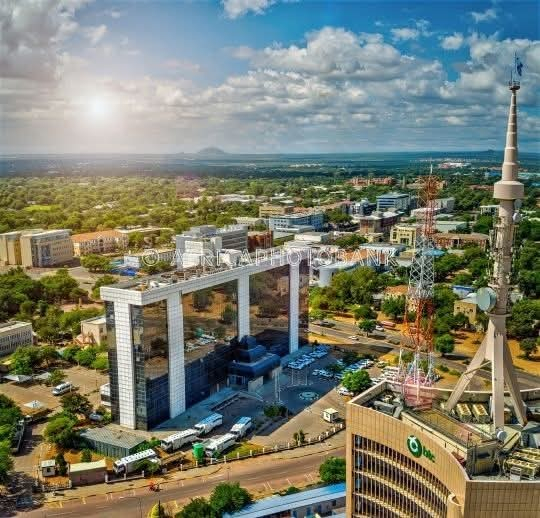
Botswana 🇧🇼,a country in southern Africa.
Botswana 🇧🇼 is one of the emptiest countries in Africa.
With just a populatiotn of in a huge landmass of 582,000km².
Botswana 🇧🇼,is a beautiful country blessed with magnificent nature.
Botswana 🇧🇼 is an iconic safari destination in Africa with okavango Delta and numerous national parks.
In Botswana 🇧🇼, Health and education people enjoy them free.
Botswana is one of richest countries in Africa ,with a rich GDP PER CAPITA of $8,000.
Botswana is the safest country in Africa,marked as the center of tranquility in southern Africa.
Botswana 🇧🇼 is landlocked 90% of the total land is covered by huge Kalahari desert.
Botswana is unbeatable when it comes to sports,mainly Olympics.
People of Botswana are ca
Botswana 🇧🇼 is one of the emptiest countries in Africa.
With just a populatiotn of in a huge landmass of 582,000km².
Botswana 🇧🇼,is a beautiful country blessed with magnificent nature.
Botswana 🇧🇼 is an iconic safari destination in Africa with okavango Delta and numerous national parks.
In Botswana 🇧🇼, Health and education people enjoy them free.
Botswana is one of richest countries in Africa ,with a rich GDP PER CAPITA of $8,000.
Botswana is the safest country in Africa,marked as the center of tranquility in southern Africa.
Botswana 🇧🇼 is landlocked 90% of the total land is covered by huge Kalahari desert.
Botswana is unbeatable when it comes to sports,mainly Olympics.
People of Botswana are ca
Khahshshssh
Jvhhhhj
olkkjjj